
4th November 2025
STAINLESS STEEL & ALUMINIUM BONDING
Stainless Steel and Aluminium Bonding
Bonding anodised aluminium to stainless steel is inherently difficult due to their dissimilar physical and chemical properties. In collaboration with Nippon Gokin, Watt Laser developed a novel process, applying laser surface structuring, to strengthen the bond between these dissimilar materials, overcoming long-standing delamination challenges in SMT stencil manufacturing.
Fraser Hemming
Senior Product Engineer
SMT stencils are vital in the production of printed circuit board assemblies, ensuring precise and repeatable solder paste deposition. Among the foil technologies used in these stencils, the TetraBond method – developed by MacDermid Alpha and manufactured by Nippon Gokin – bonds anodised aluminium frames to stainless-steel foils using specialised bonding agents.
However, exposure to aggressive cleaning agents during post-assembly can lead to delamination between the anodised aluminium and stainless steel, creating reliability issues in high-volume manufacturing. In some cases, this results in a failure rate of around 1%, which carries significant consequences at scale.
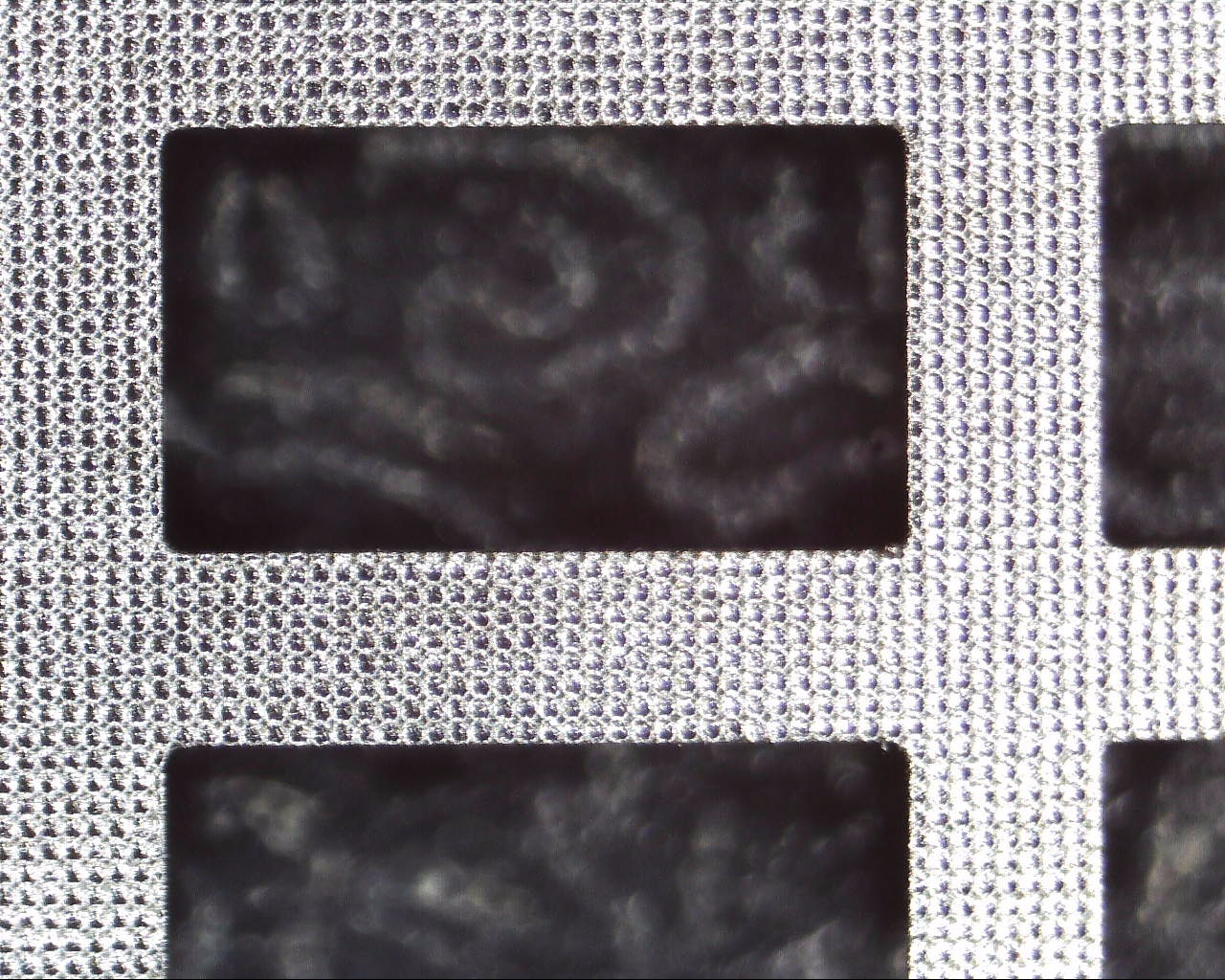
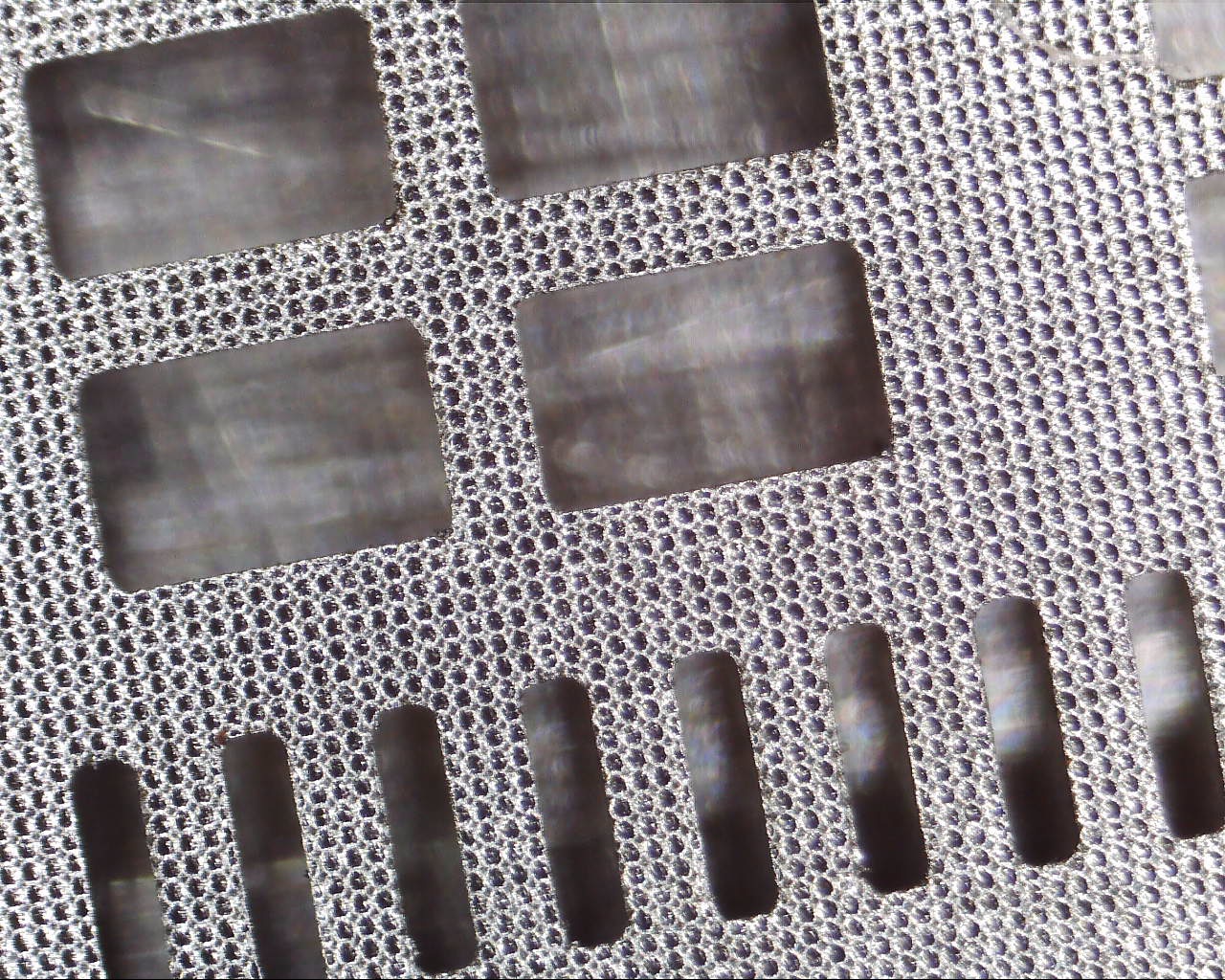
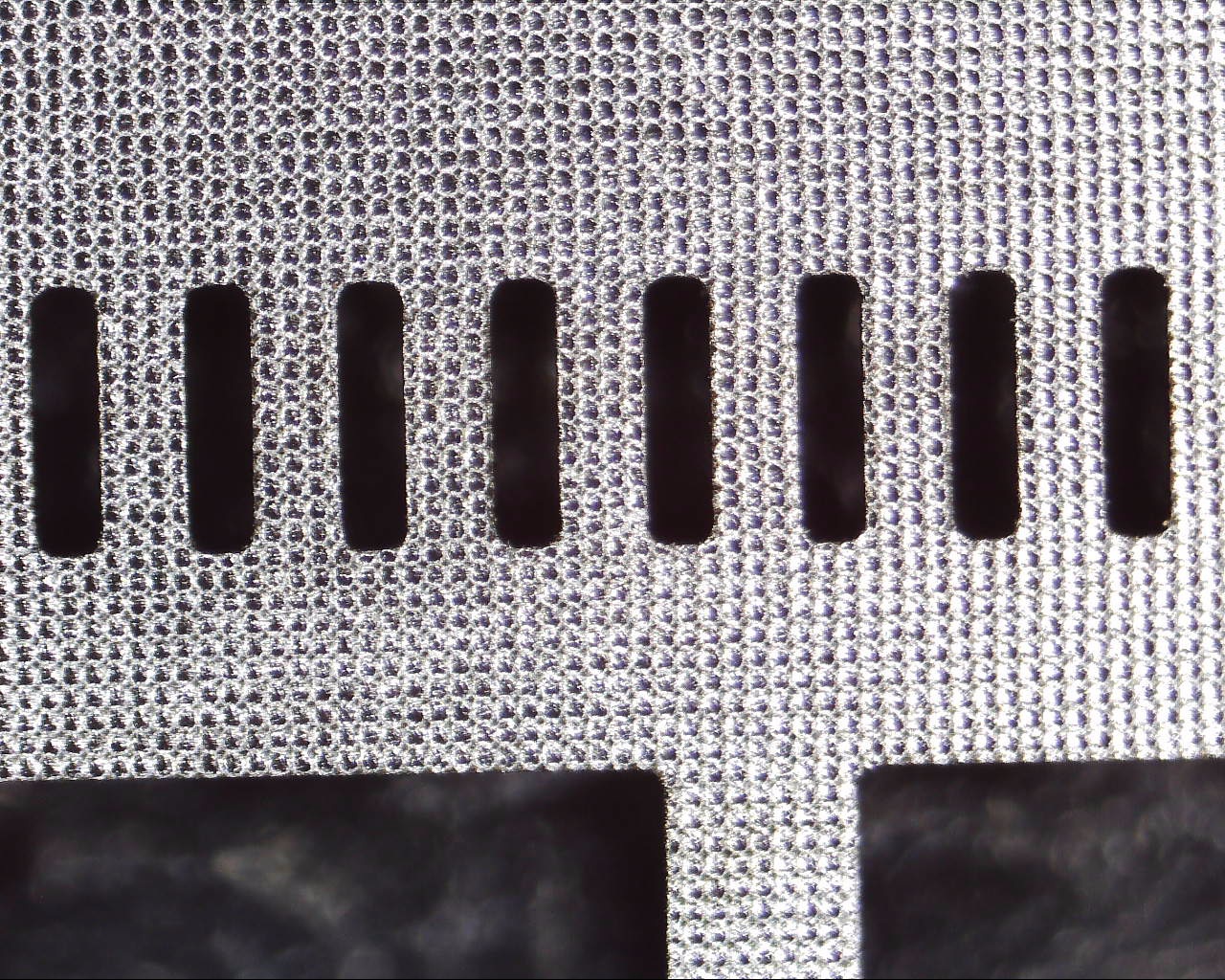
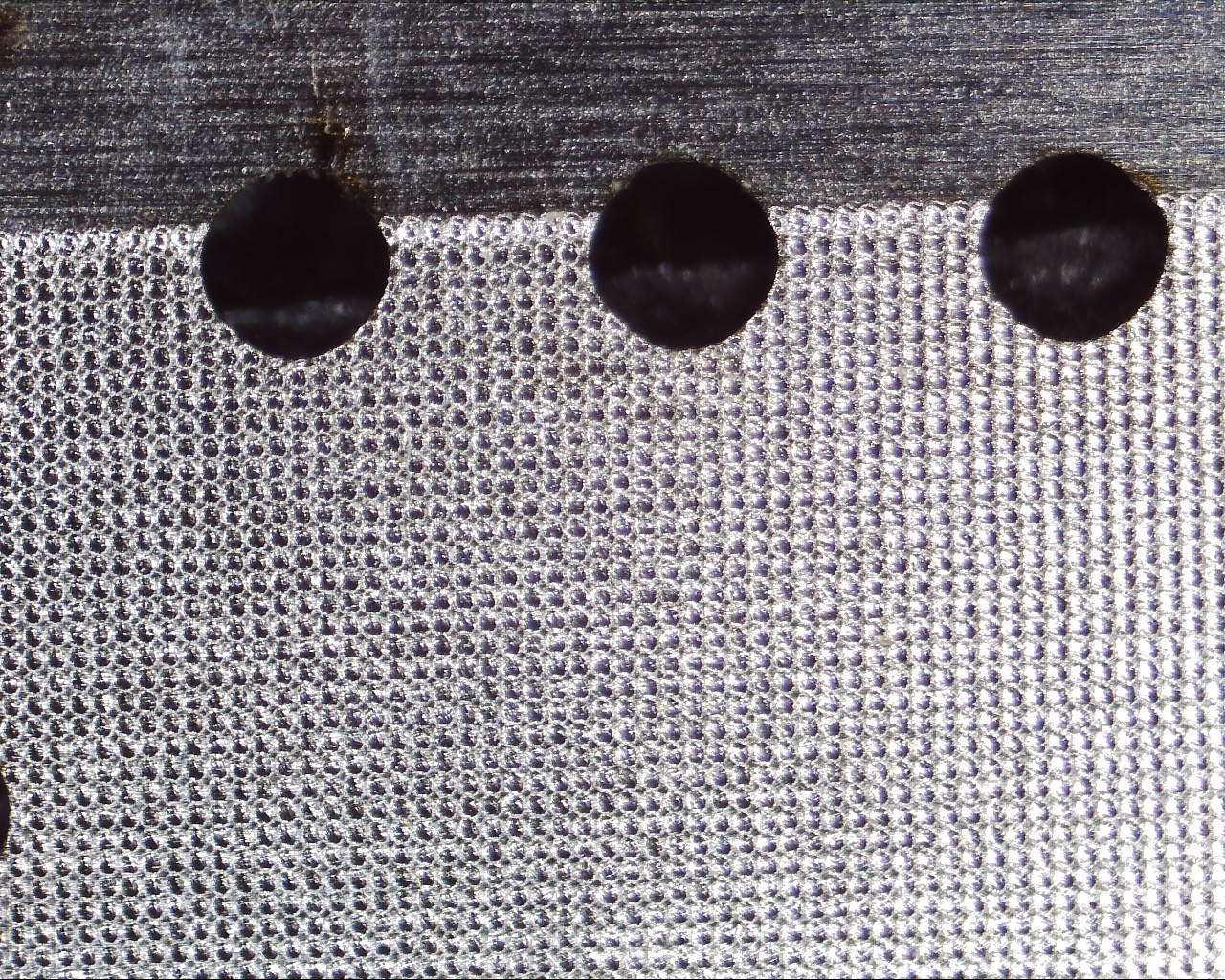
To resolve this, Watt Laser partnered with Nippon Gokin to introduce laser surface structuring as a pre-bonding treatment. Using the Watt Laser SE12C system, both the anodised aluminium extrusion and stainless-steel foil are precisely structured before bonding. This process forms microscopic ‘micro-rivets’, which increase the bonding area by up to 100% and add a controlled micro-roughness that promotes superior adhesion.
The laser structuring process is fully CNC-controlled, ensuring repeatability through tightly managed path, pitch and energy parameters. It not only enhances bonding strength but also removes contaminants that could compromise the join.
By creating engineered microstructures on both materials, laser surface structuring delivers a robust, durable and contamination-free bond that effectively eliminates delamination risk, ensuring longer stencil lifespan and greater reliability throughout SMT production.
Case Studies
LASER-BOND
Replacing wet chemical processing with laser technology.
Show Next Case Study